
Ian Myers
TEMPERA AND TIME
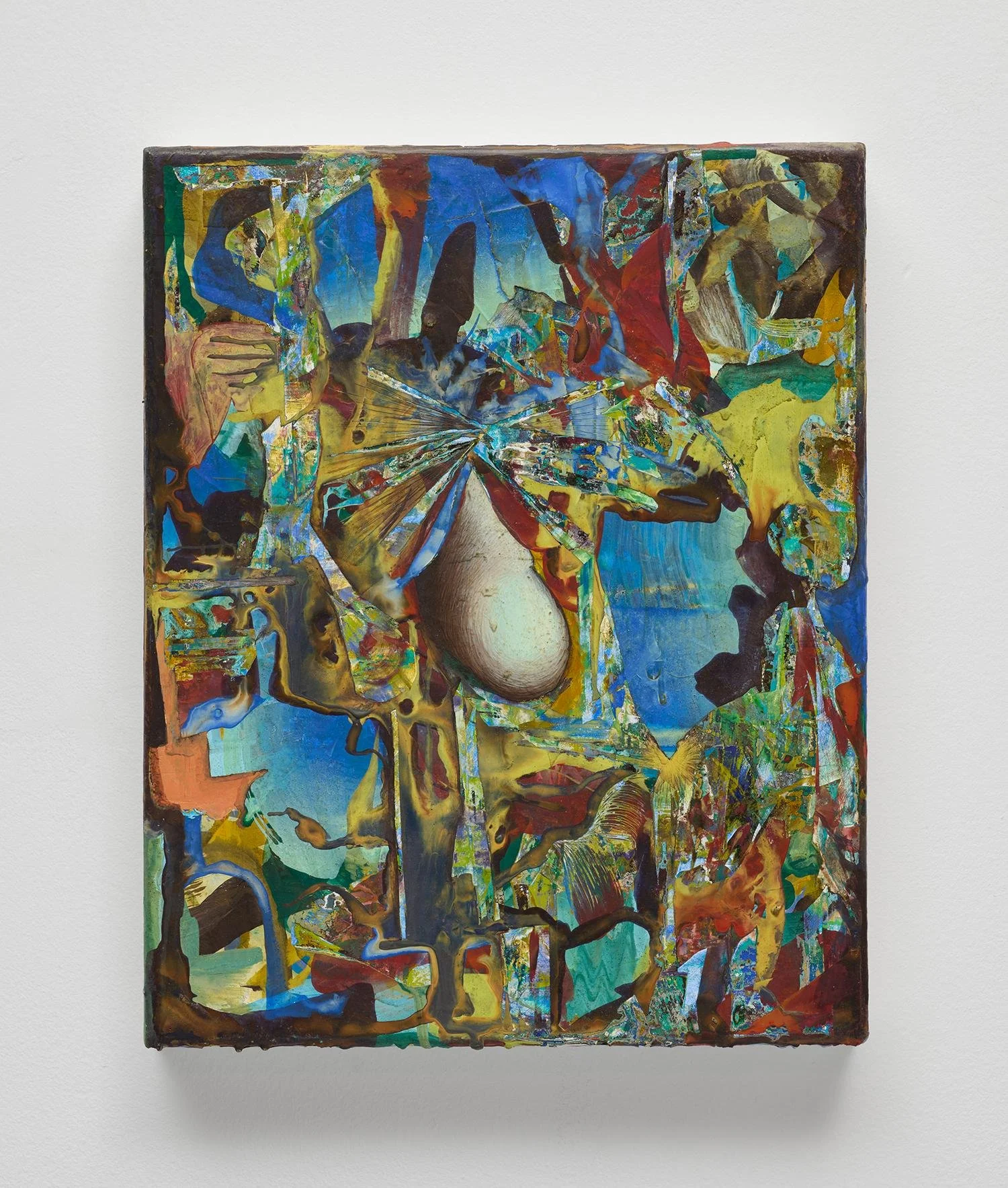
the pear
/egg tempera on hand-made gesso on panel / 8 x 10” / 2025
Ian Myers doesn’t just paint—he builds. Every surface, every layer, every mark is constructed through a meticulous, almost ritualistic process. “I paint almost exclusively in egg tempera,” he says, referring to the centuries-old technique used in early Renaissance and medieval paintings. “Same materials, same process—but removing the imagery, setting up a way where I can be surprised by the painting.” His work isn’t about control; it’s about discovery.
That element of surprise is fundamental to his practice. Ian mixes his own pigments, crafts his own gesso, and handprepares his panels, layering muslin and animal glue before applying 15 coats of thick marble dust gesso. “It’s an all-day affair before I even get to painting.” Each work unfolds over months—sometimes half a year—building translucent layers like geological sediment. Then comes the moment of excavation: he scrapes into the surface with razor blades, etching into the paint, peeling away layers to reveal textures and patterns that he never could have planned. “When I see something that feels different from my having put it there, I know it’s a keeper.”
Ian is fascinated by the idea that a painting can have its own autonomy—that it can do something beyond the artist’s intent. “I push myself to the periphery,” he says. “I let the materials respond to themselves, and I react to that.” It’s not mystical or spiritual, but an evolving relationship with paint, where the work takes on a life of its own.
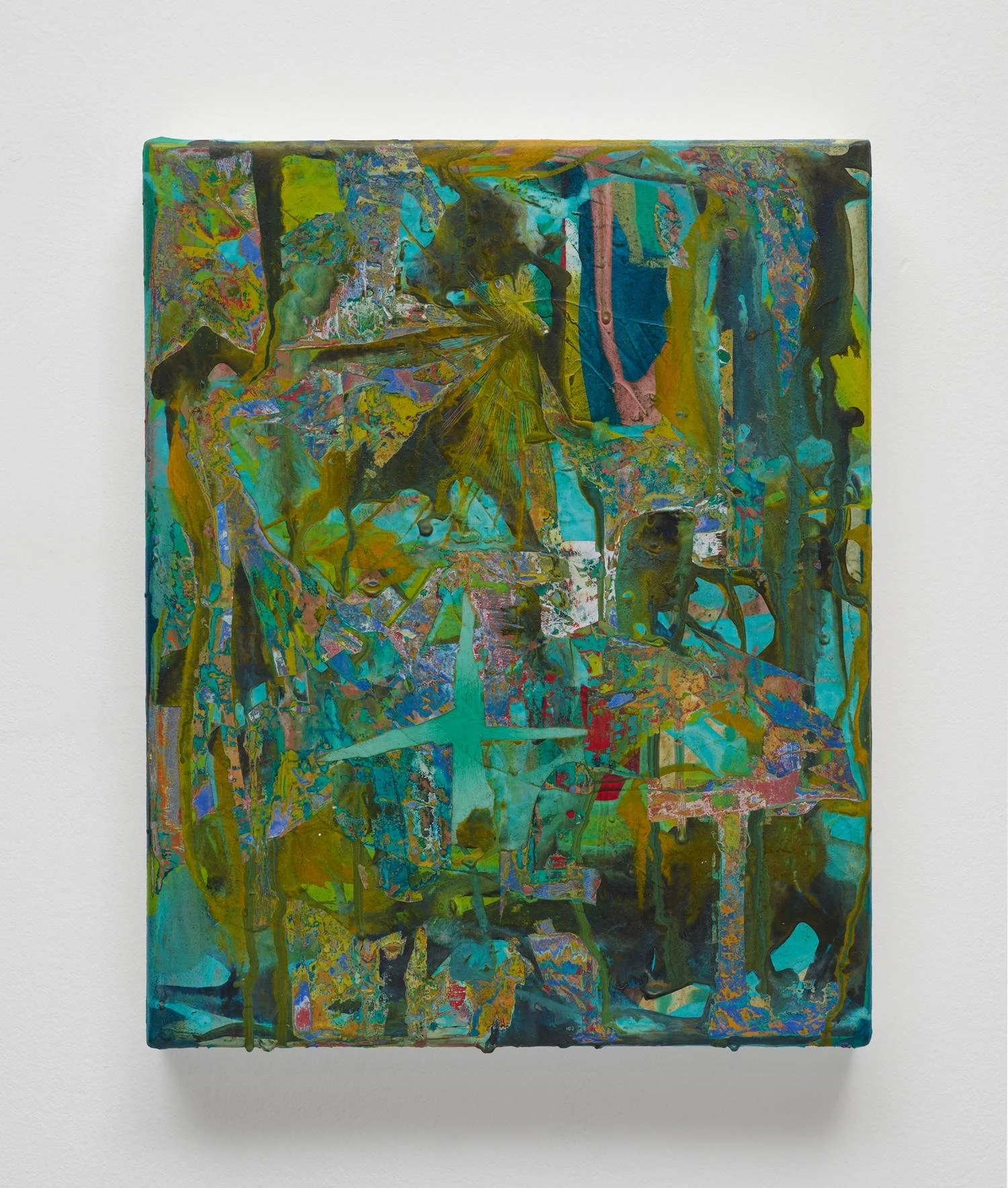
X
egg tempera on hand-made gesso on panel / 8 x 10” / 2025
Ian Myers doesn’t just paint—he builds. Every surface, every layer, every mark is constructed through a meticulous, almost ritualistic process. “I paint almost exclusively in egg tempera,” he says, referring to the centuries-old technique used in early Renaissance and medieval paintings. “Same materials, same process—but removing the imagery, setting up a way where I can be surprised by the painting.” His work isn’t about control; it’s about discovery.\n\nThat element of surprise is fundamental to his practice. Ian mixes his own pigments, crafts his own gesso, and hand-prepares his panels, layering muslin and animal glue before applying 15 coats of thick marble dust gesso. “It’s an all-day affair before I even get to painting.” Each work unfolds over months—sometimes half a year—building translucent layers like geological sediment. Then comes the moment of excavation: he scrapes into the surface with razor blades, etching into the paint, peeling away layers to reveal textures and patterns that he never could have planned. “When I see something that feels different from my having put it there, I know it’s a keeper.”\n\nIan is fascinated by the idea that a painting can have its own autonomy—that it can do something beyond the artist’s intent. “I push myself to the periphery,” he says. “I let the materials respond to themselves, and I react to that.” It’s not mystical or spiritual, but an evolving relationship with paint, where the work takes on a life of its own.
